
Public Health & Boating Safety Webinar Series

A Public Health Approach to Boating Safety

Overview

Originally presented as Applying the Public Health Approach to Recreational Boating Injury Prevention, this four-part webinar series was developed by the National Association of State Boating Law Administrators (NASBLA) and Safe States Alliance to bring together the fields of recreational boating safety and injury prevention.

Designed for boating safety and injury prevention professionals, the series explores how the public health approach can be used to better understand recreational boating injuries and fatalities and develop effective strategies to prevent them. Through practical examples and perspectives from both fields, the webinars demonstrate how data, research, partnerships, education, enforcement, policy and evaluation can work together to improve boating safety.

STEP 1
Define the Problem
Surveillance
STEP 2
Identify the Causes
Risk & Protective Factors
STEP 3
Develop & Test
Prevention Strategies
STEP 4
Ensure Widespread Adoption
Promote & Scale Effective Approaches

Relevant Core Competencies for Injury and Violence Prevention are incorporated throughout the series, providing a framework for strengthening the knowledge, skills and practices needed to apply injury prevention principles to recreational boating safety.

Together, the four webinars provide a practical introduction to using a public health framework to identify boating safety problems, understand contributing factors, select and evaluate prevention strategies, and put effective approaches into widespread practice.

Webinar Series

Watch the series in order for a complete introduction to the public health approach, or select an individual webinar below.

Webinar 1: Overview and Injury Prevention
WEBINAR 1

Overview & Injury Prevention

An introduction to the public health approach and how evidence-based injury prevention principles can be applied to recreational boating safety.

WATCH WEBINAR
Webinar 2: Defining the Problem and Identifying the Causes
WEBINAR 2

Defining the Problem & Identifying the Causes

Learn how data, risk factors and injury prevention tools can be used to define recreational boating safety problems and better understand their causes.

WATCH WEBINAR
Webinar 3: Developing and Testing Prevention Strategies
WEBINAR 3

Developing & Testing Prevention Strategies

Explore approaches for developing, implementing and evaluating boating injury prevention strategies using data, partnerships, programs and policy.

WATCH WEBINAR
Webinar 4: Ensuring Widespread Adoption
WEBINAR 4

Ensuring Widespread Adoption

Learn how communication, partnerships, policy, enforcement, advocacy and education can help move effective boating safety strategies into widespread practice.

WATCH WEBINAR

Webinar Resources

WEBINAR 1

Overview & Injury Prevention

Supporting resources on the public health approach, injury and violence prevention core competencies, and introductory injury prevention concepts.

VIEW RESOURCE GUIDE (PDF) →
WEBINAR 2

Defining the Problem & Identifying the Causes

Resources for using data to define injury problems and identify contributing factors, including injury data sources, life jacket research and the Haddon Matrix.

VIEW RESOURCE GUIDE (PDF) →
WEBINAR 3

Developing & Testing Prevention Strategies

Resources on designing, implementing and evaluating prevention programs and policies, including real-world recreational boating safety examples.

VIEW RESOURCE GUIDE (PDF) →
WEBINAR 4

Ensuring Widespread Adoption

Resources on communicating injury prevention information, influencing policy, building support for change and expanding effective prevention strategies.

VIEW RESOURCE GUIDE (PDF) →

Meet the Speakers

Jennifer Woody

Jennifer Woody

Public Health Network Coordinator

Jennifer Woody Collins, MPA, has more than a decade of experience in injury and violence prevention with the North Carolina Division of Public Health and the University of North Carolina at Chapel Hill Injury Prevention Research Center. Her work focuses on strengthening prevention practice, professional networks, training and collaboration.
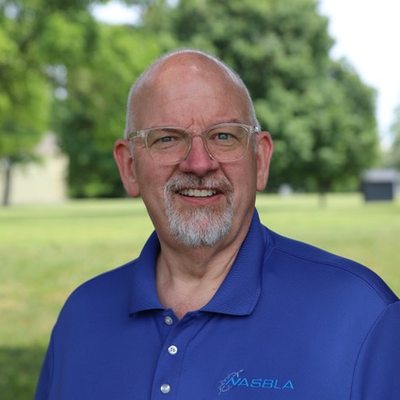
Ron Sarver

Ron Sarver

Chief of Knowledge and Learning Management Systems
NASBLA

Ron Sarver has worked with NASBLA since 1993 in policy, education, knowledge management and digital learning. As Chief of Knowledge and Learning Management Systems, he oversees the association's key digital assets and eLearning efforts. He brings more than 30 years of association experience to recreational boating safety.
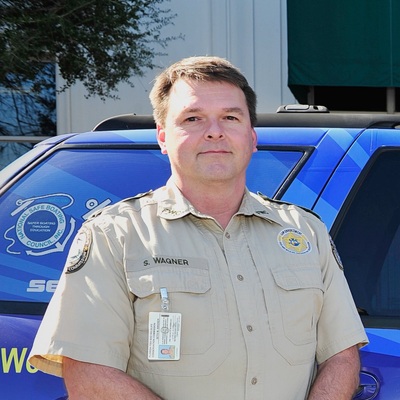
Lt. Seth Wagner

Lt. Seth Wagner

Asst. Boating Safety Coordinator
Florida Fish & Wildlife Conservation Commission

Lt. Seth Wagner began his career with the Florida Fish & Wildlife Conservation Commission in 2002. His boating safety work includes reviewing accident reports, managing data submitted to the U.S. Coast Guard's Boat Accident Report Database, and using boating accident statistics to support enforcement, education, outreach and waterway management.

Alan Dellapenna

Alan Dellapenna

Branch Head, Injury & Violence Prevention Branch
North Carolina Division of Public Health

Alan Dellapenna has led North Carolina's Injury & Violence Prevention Branch since 2010. He previously served 27 years as a Commissioned Officer in the U.S. Public Health Service with the Indian Health Service. His career has centered on public health leadership and advancing injury prevention practice.

Kelli Toth

Kelli Toth

Boating Safety Educator, Consultant, and Policy Advisor
Underway USA

Kelli Toth has more than 13 years of experience improving boating education and influencing policy to promote life jacket wear. She has served on the NASBLA Education Committee and Boating Standards Panel, was named National Boating Safety Educator of the Year, and has contributed to national water safety initiatives.

Joe McCullough

Joe McCullough

Boating Law Administrator
Alaska Office of Boating Safety

Joe McCullough joined the Alaska Boating Safety Program as Education Coordinator in 2002 and became Boating Law Administrator in 2019. A nationally certified boating safety instructor, he has served on multiple NASBLA committees and its board of directors. NASBLA recognized him with its Boating Safety Award and Educator of the Year Award.

Dr. Jamila M. Porter

Dr. Jamila M. Porter

Director, Programs and Evaluation
Safe States Alliance

Dr. Jamila M. Porter provides strategic leadership for Safe States Alliance programs, policy and evaluation initiatives. With more than a decade of experience in evaluation and injury and violence prevention, she also provides technical assistance and training to practitioners at local, state and national organizations.

Tony Gomez

Tony Gomez

Public Health-Seattle & King County

Tony Gomez is a longtime public health and injury prevention professional whose work includes drowning prevention, traffic safety and other public health issues. He helped establish the Seattle-King County Traffic Safety Coalition and the Washington Statewide Drowning Prevention Network and has served in leadership roles with Safe States Alliance.

Elizabeth Tizzy Bennett

Elizabeth “Tizzy” Bennett

Director Community Health & Engagement
Seattle Children's Hospital

Elizabeth “Tizzy” Bennett has more than 25 years of experience leading drowning prevention and water safety programs. Her work has included campaigns to increase life jacket use, life jacket loaner programs, the Washington State Drowning Prevention Network, Everyone Swims, and statewide policy and systems change strategies.